Benefits of Fish Skin Collagen: A Deep Dive
Looking to enhance your skin's health, improve joint function, and boost overall well-being? Fish skin collagen, a rising star in the supplement world, may offer a natural solution. This article explores the science-backed benefits, the current research landscape, and crucial considerations for safe and effective use. We'll delve into its unique bioavailability, potential advantages for skin, joints, and bones, and provide a step-by-step guide to choosing a high-quality supplement. For more information on fish skin collagen, check out this helpful resource: Learn More.
Why Fish Collagen is Different: Superior Bioavailability
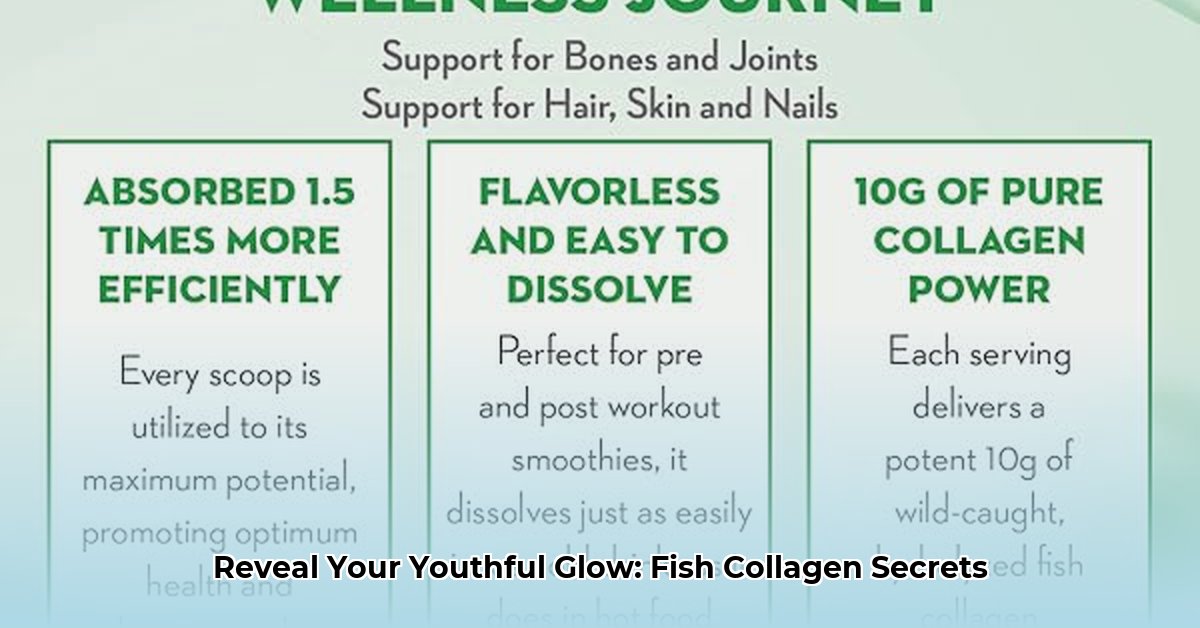
The key to fish skin collagen's effectiveness lies in its superior bioavailability (how well your body absorbs it). Unlike bovine or porcine collagen, fish collagen is typically processed through hydrolysis, breaking it down into smaller peptides (small protein fragments). These smaller peptides are more easily absorbed by the digestive system, leading to greater utilization by the body. Research suggests it may be up to 1.5 times more bioavailable than other collagen types. This enhanced absorption translates to more effective results.
Amazing Skin: The Anti-aging Potential
Many studies, though largely in vitro (test tube) and animal models so far, link fish collagen supplementation to improved skin hydration, increased elasticity, and a reduction in the appearance of wrinkles. Collagen forms the structural scaffolding of your skin, providing firmness and youthfulness. As we age, collagen production naturally declines, leading to sagging and wrinkles. By supplementing with fish collagen, the body may be better supported in replenishing this vital protein, potentially resulting in smoother, more radiant skin. However, large-scale human clinical trials are needed to definitively confirm these effects.
Beyond Gorgeous Skin: Joint and Bone Health Possibilities
While the potential skin benefits are exciting, the promise of fish collagen extends beyond aesthetics. Preliminary research, primarily in vitro and animal studies, hints at positive effects on joint and bone health. Laboratory experiments show that fish collagen peptides may support bone cell function and collagen production. This suggests a potential role in strengthening bones and improving joint comfort. However, human clinical trials are currently limited, and more research is needed to firmly establish these benefits.
Navigating the Research Landscape: A Critical Look at the Evidence
It's crucial to approach the research surrounding fish skin collagen with a critical eye. While in vitro and animal studies are encouraging, translating these findings to humans requires extensive clinical trials. The current body of human research is still limited, with larger, more rigorous studies needed to conclusively confirm the benefits and determine optimal dosages.
Safety and Considerations: Informed Choices are Key
Because fish collagen supplements are not subject to the same rigorous FDA regulations as pharmaceuticals, careful selection is paramount. Choose reputable brands with transparent sourcing and manufacturing practices. Look for third-party testing to ensure purity and the absence of heavy metals or other contaminants. Always consult your healthcare provider before starting any new supplement, especially if you have pre-existing health conditions or take medications. This is particularly important if you have allergies or sensitivities.
Choosing Your Fish Collagen Supplement: A Step-by-Step Guide
- Prioritize Reputable Brands: Select companies that openly disclose their sourcing, manufacturing processes, and third-party testing results. Transparency builds trust.
- Hydrolyzed is Crucial: Ensure the collagen is hydrolyzed (broken down into smaller peptides) for optimal absorption and bioavailability.
- Check the Ingredient List: Opt for supplements with minimal additives or fillers, focusing on pure fish collagen.
- Read Independent Reviews: Review independent consumer feedback to gauge product effectiveness and potential side effects.
- Start Low, Go Slow: Begin with a lower dosage than recommended and gradually increase as tolerated to minimize the risk of adverse reactions.
- Consult Your Healthcare Provider: Discuss your intention to use fish collagen with your doctor, especially if you have any health concerns or take medications. They can help ensure it's safe and appropriate for you.
The Bottom Line: Promising Potential, Ongoing Research Needed
Fish skin collagen shows significant promise, particularly for skin health improvement, but more research is needed to fully validate its benefits for other aspects of health. By making informed choices, selecting reputable brands, and consulting your doctor, you can explore whether this supplement aligns with your health goals. Remember, a balanced diet, regular exercise, and overall healthy lifestyle remain the cornerstone of good health. Supplements should be viewed as complementary, not as a replacement, for healthy habits.
Key Takeaways:
- Fish collagen's superior bioavailability, due to smaller peptide size, ensures better absorption and increased effectiveness.
- Research suggests potential benefits for skin hydration, elasticity, and wrinkle reduction, with early indications of positive impacts on joint and bone health.
- High-quality fish collagen supplements should be chosen carefully, focusing on reputable brands with transparent sourcing and third-party testing.
- Always consult your healthcare provider before adding any new supplement to your routine.